For working engineering technicians, an online bachelor’s program can create a pathway toward professional engineering roles without necessarily leaving employment. Yet online does not always mean fully remote: some programs require supervised laboratories or campus visits. This guide explains how to compare programs, protect existing credits, and plan realistic engineering career advancement.
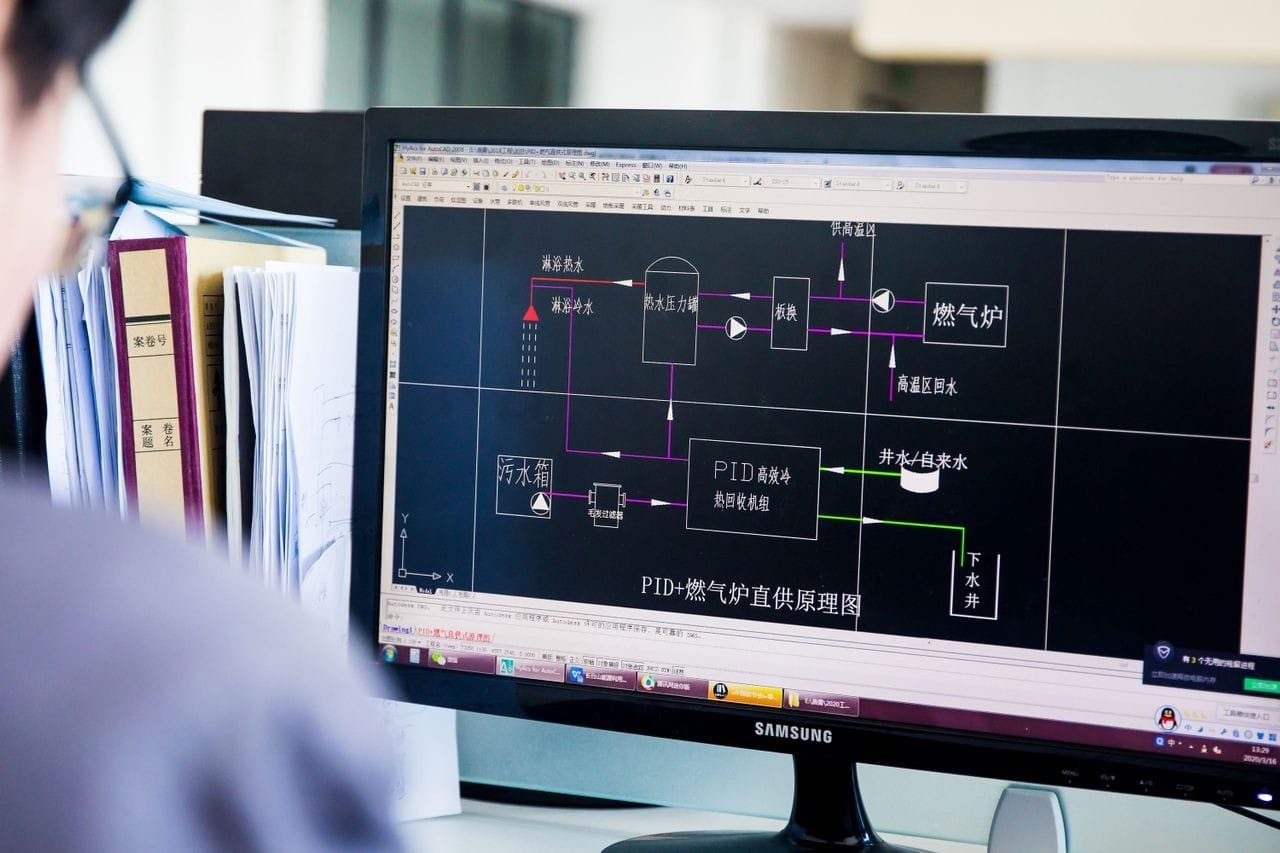
Source: Pexels
Why a technician background is an advantage
Technicians often understand equipment, maintenance, troubleshooting, and production constraints firsthand. That experience can help connect abstract engineering concepts to real situations. Familiarity with tolerances, safety procedures, and downtime may also strengthen applications for relevant technical or supervisory roles. However, experience alone does not replace the mathematics, theory, and design training required for many engineering positions.
Understanding the degree requirements
Most engineering bachelor’s programs require substantial mathematics and science, particularly calculus and physics; chemistry requirements vary by discipline. Courses often follow a prescribed sequence and include laboratories and a culminating design experience. Check prerequisites early so an unavailable course does not delay graduation.
Also distinguish engineering from engineering technology. ABET’s Engineering Accreditation Commission (EAC) accredits engineering programs, while its Engineering Technology Accreditation Commission (ETAC) accredits engineering technology programs. Both are legitimate pathways, but they can lead to different licensure options. Match your degree to your intended occupation and state licensing requirements.
How to evaluate a program step by step
- Verify accreditation: Check the exact degree in ABET’s official program search, including its accreditation commission. An institution’s accreditation does not mean every program has ABET accreditation.
- Assess transfer credits: Ask for a written evaluation showing which prior courses satisfy specific degree requirements, not simply how many credits the school accepts. Professional certifications and work experience may not earn academic credit.
- Compare total costs: Include tuition, technology and proctoring fees, software, lab materials, possible campus travel, and financial aid. Request an estimate of the cost to finish, based on your remaining courses.
- Review completion data: Ask for program-specific graduation and retention figures, including online and part-time students where available. If outcomes for full-time workers are unavailable, treat them as unverified.
Building your shortlist
The Research.com ranking of online ABET-accredited engineering programs can help identify options and compare formats and prices. But the list includes engineering, engineering technology, and computing degrees; at least one entry cites institutional rather than ABET program accreditation. Verify each program independently through ABET, and ask the college about labs, attendance, tuition, and credit acceptance before enrolling.
What recent research says about credit transfer
A 2026 Educational Researcher study by Matt S. Giani, Lauren Schudde, and Tasneem Sultana examined 28,969 students transferring from Texas public two-year colleges to public four-year institutions between fall 2020 and spring 2022. It found that 83% lost at least one credit. Loss included credits rejected outright and credits accepted without counting toward a student’s major.
This finding does not describe all U.S. transfers or specifically working technicians, but it highlights a costly risk. If you have an associate degree or prior coursework, confirm which credits fulfill required engineering classes before paying a deposit.
Financial and social insights for working learners
- Treat credits as money: Credits that do not advance graduation may mean additional courses, tuition, and time. There is no fixed formula equating one lost credit with two tuition payments.
- Examine employer assistance: Ask about reimbursement caps, approved degrees, grade requirements, payment timing, and obligations to repay benefits if you leave.
- Build support: Discuss your study schedule with family and, when appropriate, a supervisor. Coordination can ease conflicts, though it does not guarantee completion.
Filling knowledge gaps
Before committing to a semester, explore topics such as thermodynamics or materials through mechanical engineering courses on Coursera. Short courses can test your interests or refresh fundamentals, but their certificates do not automatically transfer as college credit.
Common mistakes technicians make
- Enrolling too soon: Get a written credit evaluation and degree plan. If the final audit comes later, review refund deadlines and remaining uncertainty.
- Overloading the first term: Start with a manageable course load, perhaps one or two classes, and increase it only if work and family schedules allow.
- Ignoring labs: Ask whether labs require kits, supervised work, or campus attendance. Document projects appropriately, but do not assume ordinary technician experience will satisfy professional licensing rules.
Employers may consider both qualifications and practical results. Keep an accurate record of projects, tools, responsibilities, and outcomes that you can discuss in applications or interviews. Effective engineering job interview preparation can also help you communicate your technical experience, demonstrate problem-solving abilities, and explain how your education supports your career goals.
Balancing work and study
Online engineering study requires sustained effort even when lectures are flexible. Reserve recurring study periods, track assignment deadlines, and plan ahead for demanding courses rather than relying on occasional weekend marathons.
Habits that sustain progress
- Establish study windows: Base weekly study time on the course workload. Two hours a week may be insufficient for technical subjects.
- Connect work and learning: Apply concepts to authorized maintenance or testing tasks where appropriate; protect employer information.
- Join a professional society: Explore student memberships and chapters for possible mentoring, technical events, and connections.
- Plan for the FE exam: If licensure is your goal, check your state’s eligibility rules. The Fundamentals of Engineering exam is commonly taken near graduation but is not required for every engineering job.
Planning for licensure and career growth
U.S. Professional Engineer (PE) licensure typically involves qualifying education, the FE exam, relevant experience, and the PE exam. Rules differ by state, particularly for engineering technology graduates, so consult the relevant board before selecting your major.
For manufacturing and quality roles, Six Sigma knowledge can complement engineering education by strengthening skills in process improvement, quality management, and data-driven problem-solving when supported by real projects; it is not a substitute for a degree or license.
Conclusion: Turning experience into a title
Technician experience provides practical judgment, while an appropriate engineering degree can develop the theory and design capabilities needed for new roles. Combining the two may support advancement, but no program guarantees promotion, licensing, or financial returns. Careful program selection, credit planning, and sustainable study habits reduce avoidable risks.
Next steps
Speak with an admissions adviser, gather transcripts, and list the engineering degree requirements for your target discipline. Verify ABET accreditation, request a written transfer evaluation, confirm laboratory obligations, and consult a licensing board when relevant. A few checks now could prevent costly delays later.